By Taisa Baars, Environmental Health Scientist — Byron Environmental Consulting
At Byron Environmental Consulting, we look at a home the way environmental health science does: as a connected system of materials, moisture, air, people and habits. Dust mites are a perfect example. They are rarely "just a cleaning problem" — they are a signal of how warm, humid and dusty a home is, and how it is built and lived in.
Families here want homes that are healthy and gentle on the planet. The good news is that the most effective ways to reduce dust mites are often the most sustainable ones: fewer chemicals, better materials, good hygiene and a drier, well-ventilated home.
Why dust mites matter for children
House dust mites are microscopic creatures that feed on the skin flakes we all shed. Most of the allergen comes from their droppings, which become part of household dust. In people who are sensitised, this allergen can trigger asthma, hay fever and eczema. ASCIA, the peak body for allergy specialists in Australia and New Zealand, notes that mites are more common in humid coastal areas than in drier inland ones.
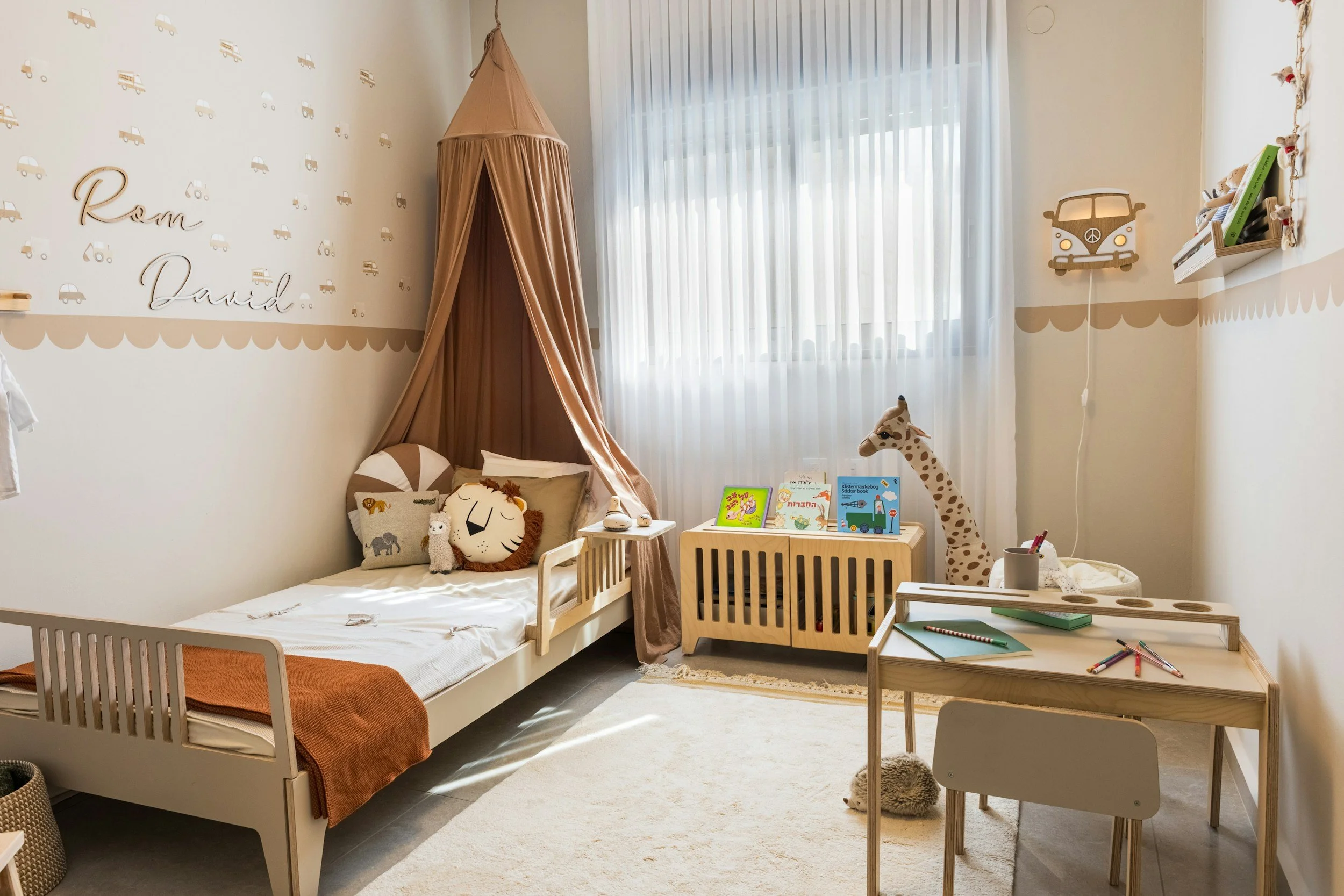
Children are more exposed than adults. They breathe faster for their size, spend 10 to 12 hours a night with their face on a pillow, play on floors and cuddle soft toys. That's why the bedroom is where reduction matters most.
The Northern Rivers factor
Our warm, humid summers suit dust mites. So do the hidden moisture problems common in local homes: damp subfloors, poor drainage, roof and plumbing leaks, and homes still recovering from flood damage. Mites need moisture in the air to survive, so getting humidity under control helps with dust mites and mould at the same time.
A healthier bed, naturally
Choose solid natural latex or certified organic materials. A solid natural latex mattress has no loose fibre batting for mites to nest in, unlike fibre-filled or innerspring mattresses. Look for third-party certification, such as GOLS for latex and GOTS for organic cotton and wool, because "natural" on a label is not a guarantee. Certified materials also avoid the synthetic foams and flame retardants that can release VOCs into a child's bedroom.
Remember that no mattress is mite-proof. Mites live where skin flakes and moisture collect: on the surface and in the bedding. Pair any mattress with breathable dust-mite resistant covers on the mattress, pillows and quilt, and wash the covers at least every two months.
Wash bedding weekly in hot water. ASCIA recommends washing sheets and pillowcases once a week above 60°C, which kills mites and washes away allergen. If you have solar hot water, run a full load on a sunny day for a lower-carbon wash. If you wash cold, use a dust-mite laundry product with tea tree or eucalyptus oil, or a hot dryer for at least ten minutes after line drying.
Remove sheepskins and woollen underlays from cots and beds; they are ideal mite habitat.
Better bedroom hygiene
Keep soft toys to a few washable favourites and wash them hot regularly.
Declutter shelves and under-bed spaces: less clutter means less dust and easier cleaning.
Air bedding and open windows on dry, breezy days.
Choose blinds or washable natural-fibre curtains rather than heavy drapes.
Floors: remove carpet where you can
Carpet holds large amounts of dust mite allergen that vacuuming can never fully remove, and synthetic carpet can also release VOCs and trap other pollutants. If you're renovating, replacing carpet in a child's bedroom is one of the best upgrades you can make. Sustainable options include FSC-certified or recycled timber, bamboo, cork, natural linoleum or polished concrete, with a small washable cotton or wool rug for softness.
HEPA vacuuming, done properly
Vacuum carpets, rugs and upholstered furniture weekly with a sealed HEPA-filter vacuum, which traps fine allergen particles instead of blowing them back into the room.
Vacuum when children are out of the room, and wait about 20 minutes before they return, because vacuuming stirs allergen into the air.
Damp-dust hard surfaces weekly with a microfibre cloth and water; there's no need for chemical sprays.
Reduce other irritants in the home
Dust mites are one part of a child's total exposure. Other irritants can inflame sensitive airways and skin, including fragranced cleaning products and air fresheners, incense, scented candles and oil burners (which add fine particles to indoor air), aerosol sprays, tobacco or wood smoke, VOCs from new furniture, paints and flooring, mould, and pets in the bedroom for sensitised children. Simple swaps make a real difference: unfragranced products, natural ventilation, and low-VOC, certified materials when you renovate.
Humidity and ventilation: passive design first
Cross-ventilate on dry days and keep wardrobes and corners from becoming damp pockets.
Use bathroom and kitchen exhaust fans that vent outdoors, and dry clothes outside or in a vented dryer.
In the most humid months, a dehumidifier or the "dry" mode on a reverse-cycle air conditioner can help — running it on solar during the day keeps the footprint low. Aim to keep bedrooms below about 60% relative humidity; an inexpensive hygrometer lets you track it.
Avoid evaporative air conditioners and unflued gas heaters, which add moisture to indoor air.
Fix leaks, blocked gutters, poor drainage and damp subfloors; they feed both mites and mould.
What to skip
Chemical sprays, air fresheners, ionisers and "allergen-free" gadgets have little or no proven benefit for dust mites, according to Victoria's Better Health Channel, and many add chemicals to indoor air. Invest in good materials, hot washing, HEPA cleaning and moisture control instead.
Why an environmental health assessment makes the difference
Dust mites are often a symptom of what's happening in the home, not the whole story. That's where my expertise comes in.
Measurement, not guesswork. I use moisture mapping, humidity and indoor air readings, and settled-dust testing for dust mite allergen through independent laboratories, so you know what's actually driving exposure in your home.
Finding the hidden causes. My background in contaminated land, water quality, drainage and on-site wastewater means I look beyond the bedroom — at subfloors, roof spaces, drainage, ventilation and building materials.
Prioritised, practical advice. You get a clear plan that puts the changes that matter most first, so you avoid spending on products that don't work.
Independent and evidence-based. I don't sell mattresses, sprays or remediation. My advice is guided by environmental health science and Australian guidelines.
Holistic and collaborative. I work alongside your GP, naturopath or health practitioner and can share findings with them at your request.
If your child's symptoms seem worse at home, or you're planning a nursery or renovation, a Children's Environmental Health Assessment gives you clarity and a practical path to a healthier, more sustainable home.
Sources
This article is general information only and is not medical advice. Please consult your health practitioner about your child's health.