Contaminated Land Assessments
Environmental due diligence, site investigation and contamination screening
Byron Environmental Consulting investigates potential land contamination for property purchases, development applications and changes of land use across rural, residential, commercial and industrial sites.
Historical activities can leave contamination in soil, groundwater or existing structures. Identifying these risks early can prevent unexpected costs, approval delays and exposure concerns.
Potentially contaminating land uses may include:
Former mechanical workshops and service stations
Wrecking yards and vehicle-storage areas
Fuel, oil and chemical storage
Industrial and manufacturing activities
Imported fill and uncontrolled waste disposal
Burn pits and buried waste
Agricultural sheds and chemical-mixing areas
Former banana plantations and intensive agriculture
Cattle dip sites
Asbestos-containing building materials or demolition waste
The presence of a historical activity does not automatically mean that a site is contaminated. A professional assessment determines whether a credible risk exists and whether further investigation is warranted.
Preliminary Site Investigations
A Preliminary Site Investigation may include:
Review of historical land uses and available records
Site inspection and identification of potential contamination sources
Development of a conceptual site model
Assessment of potential exposure pathways and receptors
Identification of areas requiring targeted investigation
Recommendations for soil or groundwater testing where necessary
Where potential contamination is identified, targeted soil sampling, laboratory analysis or a Detailed Site Investigation may be recommended in accordance with the relevant NSW contaminated-land framework and the National Environment Protection (Assessment of Site Contamination) Measure.
Environmental health—not testing without context
Contamination assessment is more than collecting soil samples.
Environmental Health Scientist Taisa Baars considers the site’s history, proposed use, potential exposure pathways and the people or environments that may be affected. Sampling is targeted to answer a clear risk question—not undertaken as an isolated testing exercise.
SITE HISTORY · TARGETED INVESTIGATION · PRACTICAL RISK ADVICE
Why early investigation matters
Early contamination assessment can help:
Identify risks before purchasing or developing land
Determine whether further investigation is required
Support development applications and Council responses
Inform remediation and site-management decisions
Reduce unexpected costs and approval delays
Concerned about a site’s previous use?
Discuss the property with Byron Environmental Consulting before purchasing, designing or lodging an application.
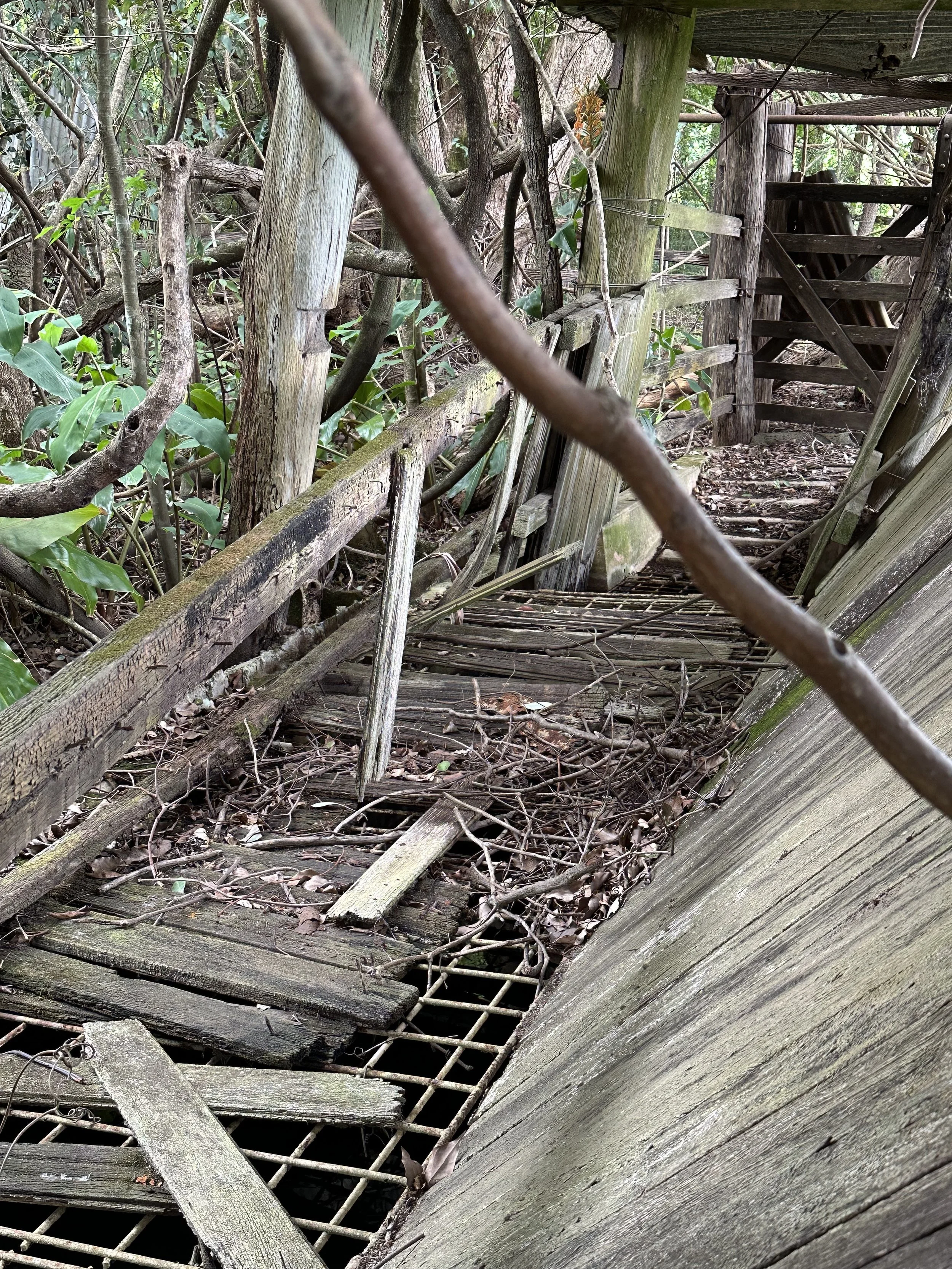
Uncapped cattle dip site