
Acid Sulfate Soil Assessment
Site investigation, soil testing and management advice
Byron Environmental Consulting undertakes acid sulfate soil assessments for development sites involving excavation, drainage, dewatering or disturbance of potentially affected soils.
Acid sulfate soils commonly occur in low-lying coastal and floodplain areas across the Northern Rivers. When left undisturbed they may present little risk. However, excavation or lowering the water table can expose naturally occurring iron sulfides to oxygen, producing sulfuric acid and mobilising metals.
This can affect soil, groundwater, waterways, vegetation, infrastructure and construction outcomes.
SITE INVESTIGATION · TARGETED SOIL TESTING · PRACTICAL MANAGEMENT
When is an assessment required?
An acid sulfate soil assessment may be needed for:
Building foundations and basement excavations
Swimming pools and water features
Roads, driveways and civil works
Sewer, stormwater and service trenches
Drainage works and dewatering
Dams and waterway modifications
Developments on low-lying coastal or floodplain land
Council requests for further information
Sites identified on Acid Sulfate Soil Planning Maps
Assessment process
The scope is tailored to the proposed works and may include:
Review of Council mapping, site geology and proposed excavation
Site inspection and identification of potential risk areas
Targeted soil sampling at relevant depths
Laboratory analysis for acid-generating potential
Assessment of the volume and characteristics of disturbed soil
Advice on avoidance, treatment and lawful management
Preparation of an Acid Sulfate Soil Management Plan where required
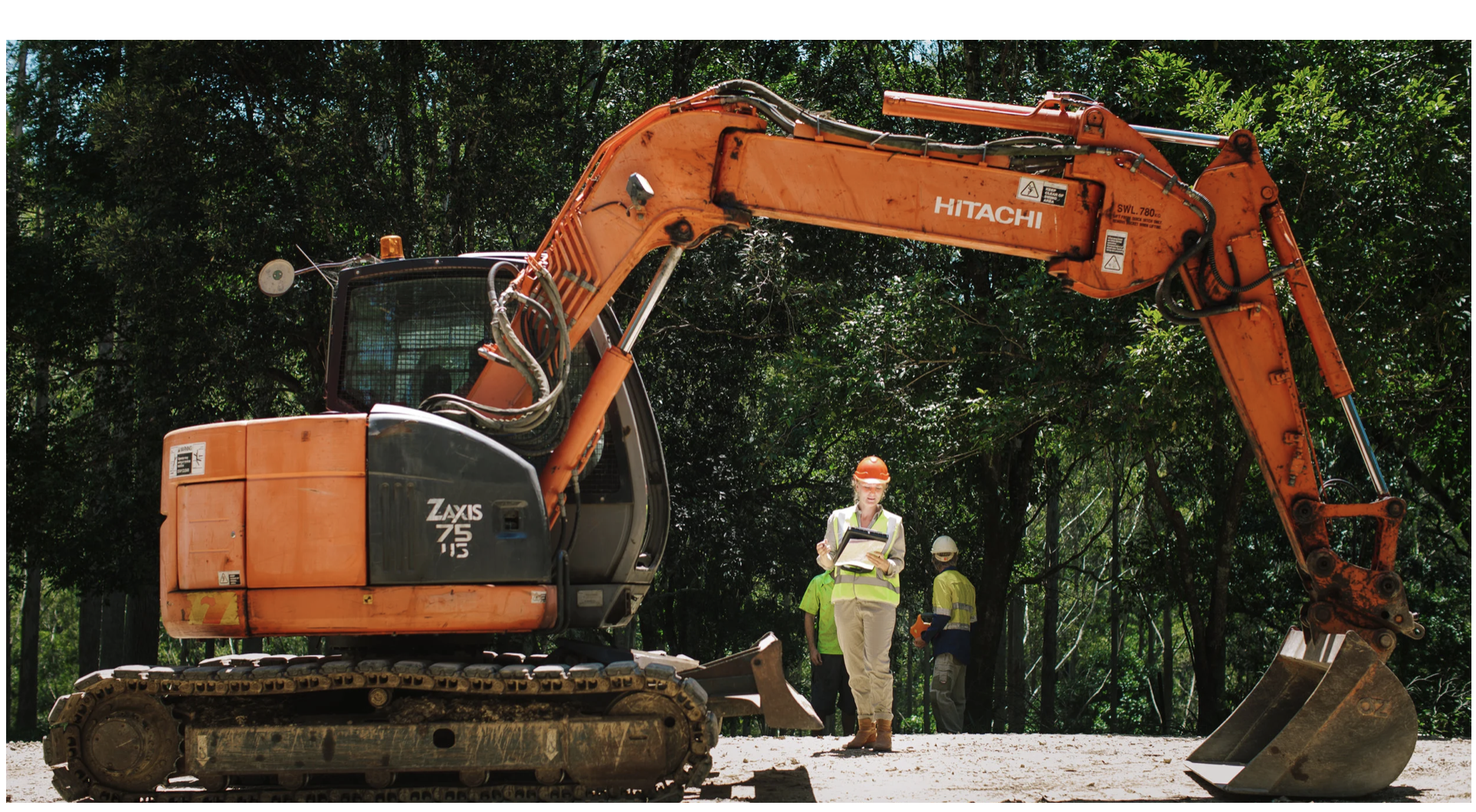
Assessment before excavation
Acid sulfate soil risk cannot be determined from mapping alone.
Environmental Health Scientist Taisa Baars considers the mapped risk, soil profile, groundwater conditions, excavation depth and proposed development together. This determines whether testing is required and how affected soil should be managed.
Early assessment can allow excavation to be redesigned or minimised, reducing treatment requirements, costs and potential environmental harm.
Clear advice for planning and construction
Where acid sulfate soils are confirmed, Byron Environmental Consulting provides practical recommendations for:
Minimising soil disturbance
Separating and containing excavated material
Lime-treatment calculations and verification
Stockpile and runoff controls
Groundwater and dewatering management
Validation and record-keeping
Contractor responsibilities and unexpected finds
Planning excavation on low-lying land?
Arrange an acid sulfate soil assessment before construction or bulk earthworks begin
Specialist training and experience
Assessments are undertaken by Environmental Health Scientist Taisa Baars, who has completed specialist short-course training in acid sulfate soil identification, assessment and management through Southern Cross University.
This training is supported by practical experience in soil investigation, contaminated land assessment and Council approval requirements across the Northern Rivers.