Has AI Made Environmental Consulting Easier—or Raised the Bar?

AI in Environmental Consulting: Why Human Judgement Still Matters

AI is making technical report preparation faster, but it is also raising expectations. Environmental Health Scientist Taisa Baars explains where AI can help—and why site investigation, scientific risk assessment, collaboration, professional judgement and genuine care cannot be automated.

Author
Taisa Baars, Environmental Health Scientist
Environmental Consulting; Environmental Health; Small Business

Artificial intelligence is changing the way reports are written across planning, engineering and environmental consulting. It can help organise information, improve wording, check consistency and turn technical notes into a clearer first draft.

In many ways, this is a positive change. But it also raises an important question: if producing a polished document is becoming easier, what should clients and councils expect from the consultant behind it?

Faster writing does not mean instant professional advice

AI has certainly made parts of report preparation faster. It can assist with repetitive wording, document structure, tables, summaries and administration. For a small consultancy, this creates more time for the work that matters most: inspecting the site, reviewing the evidence, speaking with the project team and developing a practical solution.

I am trained as an Environmental Health Scientist. My professional role is not simply to produce a report—it is to identify and assess risks to human health and the environment, understand how people interact with a site, and recommend controls that are proportionate, practical and supported by evidence.

That scientific risk-assessment process is the most important part of the work, and it is where my time and attention should be focused.

However, the time required to type a report was never the same as the time required to reach a sound professional conclusion.

A reliable environmental assessment may involve:

  • understanding the site, its history and surrounding land uses;

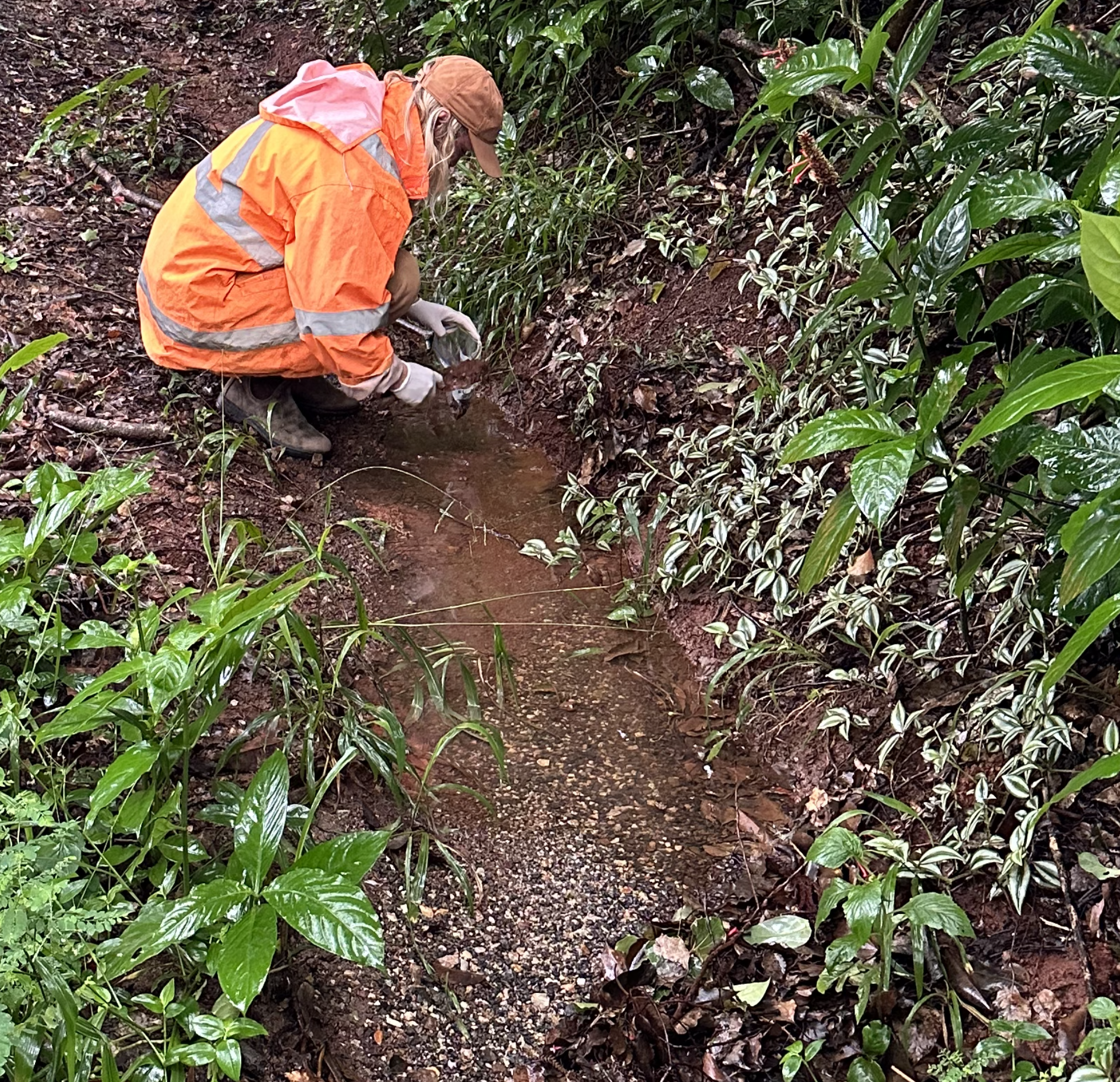
  • undertaking field observations, measurements, soil testing or sampling;

  • identifying potential exposure pathways and who or what may be affected;

  • assessing the likelihood and consequence of environmental and public-health risks;

  • checking legislation, standards and council requirements;

  • identifying uncertainty and environmental or public-health risks;

  • developing controls that reduce risk without creating unnecessary cost or complexity;

  • considering whether the proposed solution can actually be constructed and maintained; and

  • taking professional responsibility for the final recommendation.

AI can assist with communicating this work. It cannot replace the work itself.

A polished report is not necessarily a good report

One of the risks of AI is that it can produce confident, professional-sounding text even when the underlying information is incomplete or incorrect. A report may look impressive while relying on generic statements, an unsuitable design assumption or a requirement that does not apply to that council or site.

For clients, planners and council officers, the most important question is no longer simply, “Does this report look professional?” It is:

Can I see how the consultant reached this conclusion?

A strong report should clearly connect:

  • the evidence collected;

  • the site constraints;

  • the applicable requirements;

  • the consultant’s reasoning; and

  • the recommended design or management measures.

It should also acknowledge limitations and uncertainty rather than hiding them behind polished language.
Professional care cannot be automated

There is another difference that matters: AI does not care about the outcome.

It does not care whether a homeowner understands the recommendation, whether a family is protected from an environmental health risk, whether a wastewater system continues to work during prolonged wet weather, whether a plumber can construct the design, or whether the solution improves or unnecessarily damages the surrounding environment.

I do.

That care is not separate from professional practice. It is one of the reasons to inspect carefully, ask further questions, identify uncertainty, return a phone call, work through an installation problem and avoid recommending something simply because it is the easiest standard response.

Professional care does not mean promising that every project will be simple or that every preferred outcome can be supported. It means being honest about the risks, looking for a practical way forward and taking responsibility for the quality of the advice.

How to recognise genuine, site-specific professional work

Whether a report has been prepared with AI assistance is less important than whether it is accurate, transparent and professionally reviewed. Useful questions include:

  • Does the report contain real site observations, measurements, photographs or test results?

  • Are the calculations consistent with the plans and recommendations?

  • Is it clear why the proposed solution was selected?

  • Have realistic alternatives and site constraints been considered?

  • Are the legislation, guidelines and standards current and relevant?

  • Could the report apply to almost any property, or is it clearly written for this site?

  • Can the consultant explain and defend the recommendation if questioned?

These are the features that distinguish professional assessment from automatically generated content.

What clients should expect

Clients are entitled to expect reports that are clear, well organised and reasonably efficient. AI can help consultants meet that standard.

But clients should not expect reliable technical advice to become instant or nearly free simply because software can generate words quickly. The value of consulting lies in investigation, judgement, experience, problem-solving and accountability—not in the number of pages produced.

Sometimes the most professional advice is not the longest report. It may be a concise explanation of the real constraint, a design change that avoids an unnecessary risk, or an early conversation that prevents delays during assessment or construction.

What councils should expect

Council officers are likely to receive an increasing number of polished but generic reports. Clear evidence and transparent reasoning will therefore become even more important.

A consultant’s report should make the assessment easier, not transfer unresolved technical questions to Council. It should identify the relevant risks, explain how they have been assessed and provide recommendations that can be understood, conditioned and implemented.

Used responsibly, AI can improve consistency and readability. It should never be used to disguise missing fieldwork, unsupported assumptions or a lack of professional understanding.

What AI means for small consultancies

For an independent consultancy such as Byron Environmental Consulting, AI is not a substitute for professional expertise. It is a supporting tool—and, used well, it can give some valuable time back.

There is also a personal benefit for me. I was born in the Netherlands, Dutch is my first language and I learned English later in life. My scientific knowledge, site observations and professional conclusions are my own, but AI can help me refine the English expression so that complex advice is communicated clearly and professionally.

I do not see that as replacing my voice. Used carefully, it helps me express my own thinking more clearly. Every technical statement, conclusion and recommendation must still be reviewed by me and supported by the evidence.

Self-employment involves much more than completing the technical work clients see. A consultant also manages enquiries, proposals, scheduling, invoices, records, document formatting, follow-up correspondence and the many small administrative tasks required to keep a responsible business operating.

Those tasks matter, but they can take time away from the reasons many of us entered environmental work in the first place: being on site, understanding a problem properly, developing a sound solution, helping a client navigate a difficult process and improving environmental and public-health outcomes.

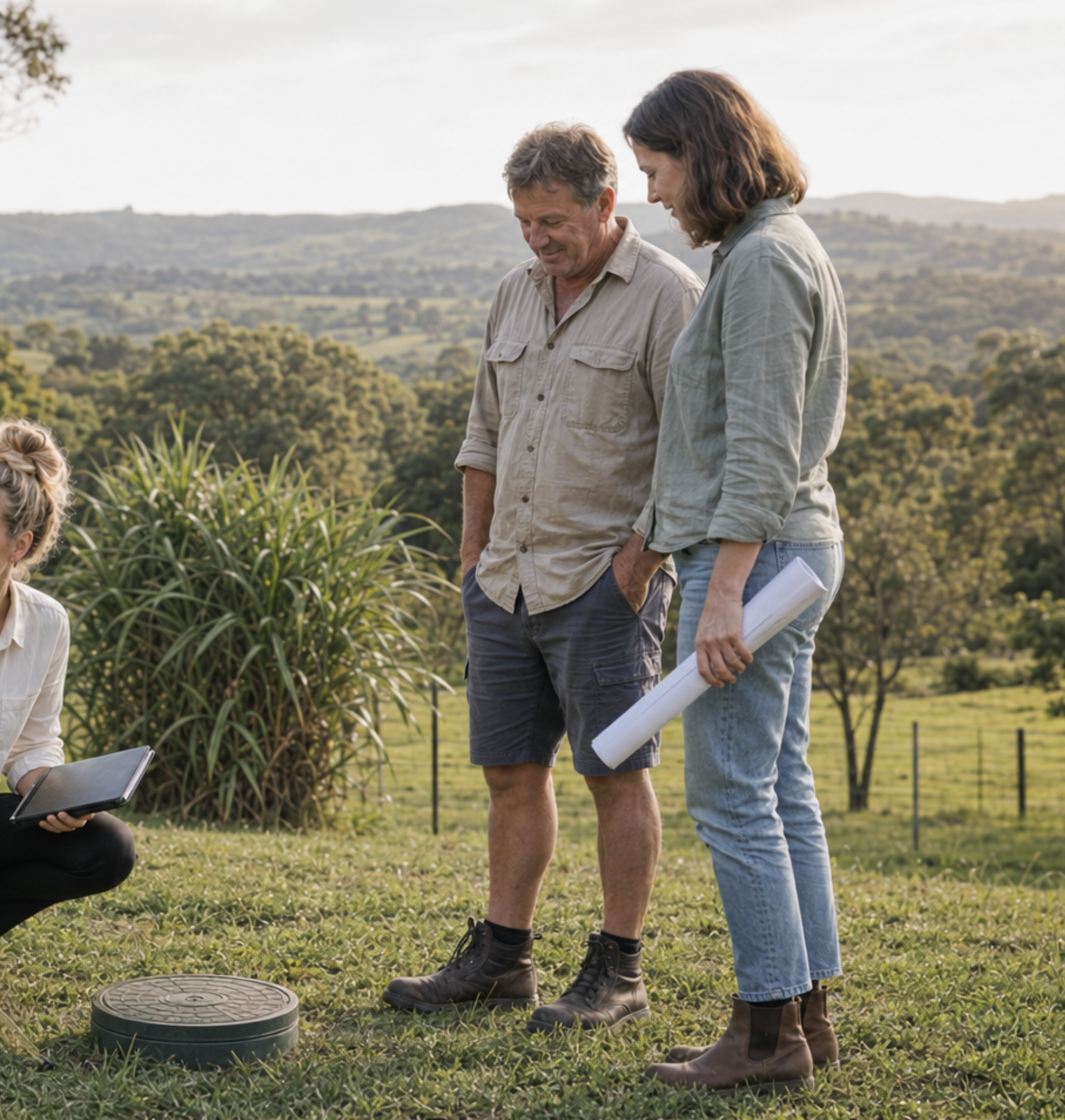
Much of the real work also happens through conversation and collaboration. A practical environmental solution is rarely developed by a consultant working alone at a desk. It may require meeting with homeowners to understand how they use the property, discussing construction constraints with plumbers and installers, reviewing options with architects, designers and town planners, and working with developers and Council officers to find a solution that is compliant, achievable and appropriate for the site.

These discussions often reveal information that is not shown on a plan. A homeowner may explain how the land behaves after prolonged rain. A plumber may identify a practical installation constraint. A designer may be able to adjust a layout before it becomes an expensive problem. An Environmental Health Scientist brings these perspectives together, identifies potential hazards and exposure pathways, evaluates the actual level of risk and turns that assessment into a workable recommendation.

AI can reduce some of this administrative load. It can help organise notes, prepare routine correspondence, improve document consistency and make technical findings easier to understand. That does not reduce the value of the consultant. It allows me to spend more time applying my environmental health training to the risk assessment itself—and more time meeting with the people who will design, approve, build, maintain and live with the final solution.

This is particularly valuable for a small business. Larger organisations may have separate staff for administration, editing, marketing, project coordination and accounts. In a small consultancy, these responsibilities often sit with the same person who undertakes the site inspection, completes the assessment, speaks with Council and stands behind the final advice.

The strength of a small consultancy is not that it tries to imitate a large firm. It is that the client has direct access to the person doing the work. Information is less likely to be lost between departments, decisions can be made with a clear understanding of the whole project, and advice can remain practical and personal.

Used carefully, AI helps protect those strengths. It can provide some of the administrative capacity of a larger organisation without replacing the direct relationship and professional responsibility that distinguish a good independent consultant.

For Byron Environmental Consulting, that means retaining the benefits clients value:

  • direct contact with the person undertaking the assessment;

  • local knowledge and experience with Northern Rivers councils;

  • continuity from the first conversation through to the final report;

  • practical collaboration with homeowners, developers, plumbers, installers, designers, planners and Council;

  • practical, site-specific recommendations;

  • independent advice without a preferred product or system; and

  • personal responsibility for the work provided.

Small businesses also have an important role in their communities. They build long-term local knowledge, develop relationships with councils and other professionals, and depend on the quality of their reputation rather than the strength of a corporate brand. Every project matters.

The future is unlikely to be a contest between AI and environmental consultants. It will be a distinction between consultants who use AI carefully to support better work, and those who allow polished language to replace investigation and judgement.

Our approach

At Byron Environmental Consulting, technology may assist with document preparation and routine administration, but every final report remains my work and professional responsibility.

My advice is based on the site, the available evidence, the applicable requirements and my training and experience as an Environmental Health Scientist. I assess the hazards, exposure pathways, people and environmental receptors that may be affected, and the likelihood and consequence of harm. I then develop practical measures to avoid or reduce that risk.

I review the reasoning, calculations and recommendations before a report is issued. Where information is uncertain, I say so. Where a practical solution is available, I explain why it is appropriate.

AI may help me work more efficiently and communicate more clearly. The time it saves can be spent on the real substance of the work: field assessment, scientific risk assessment, further study, technical review, meeting with clients and project professionals, and developing practical environmental solutions that can actually be approved, constructed and maintained.

It does not inspect the land, assess the soil, listen to a homeowner, work through an installation issue with a plumber, negotiate a practical response with the project team, speak with Council, understand the history of a property, care about the environmental and human outcome or stand behind the final recommendation.

That remains the role of the consultant—and it is where the real value of professional advice lies.
Byron Environmental Consulting


Independent advice. Practical, site-specific solutions.


Servicing Byron Bay, Bangalow, Mullumbimby, Ballina, Lismore, Tweed, Lennox Head and the Northern Rivers hinterland.

Received a Council Notice About Your Septic System? What to Do Next

CATEGORY: ONSITE WASTEWATER MANAGEMENT SYSTEMS

By Taisa Baars, Environmental Health Scientist

Receiving a letter or notice from Council about your septic system can feel worrying, particularly when it refers to repairs, an upgrade, an Approval to Operate or a Section 68 application.

The important thing is not to panic—or immediately purchase a new wastewater system before the property has been properly assessed.

A Council notice does not always mean the entire system must be replaced. It usually means Council has identified a concern that needs to be investigated and resolved within a specified timeframe.

Why might Council contact you?

Council may write to a property owner after an inspection, complaint, development application or review of its records.

Common reasons include:

  • sewage or effluent surfacing on the ground;

  • odour or persistently wet areas;

  • a damaged or deteriorated septic tank;

  • blocked, overloaded or failing trenches;

  • stormwater entering the wastewater system;

  • an unapproved system or alteration;

  • no current Approval to Operate;

  • a proposed dwelling extension or additional wastewater load; or

  • the existing system not meeting current site or approval requirements.

Councils can require owners to repair, upgrade or replace an on-site sewage management system where necessary to protect public health and the environment. Byron Shire Council’s current OSMS guidance explains these responsibilities in more detail.

Start by reading the notice carefully

Check:

  • what Council has identified;

  • whether an inspection has already occurred;

  • what information or work Council requires;

  • whether a wastewater assessment or design report is requested;

  • whether a Section 68 application is required; and

  • the response deadline.

If the requirements are unclear, obtain clarification before arranging major work. A short conversation with the assessing officer can often prevent unnecessary design changes and delays.

Have the property and existing system assessed

The next step is usually a site-specific wastewater assessment.

This may include reviewing:

  • the existing septic tank or treatment system;

  • available Council records and previous approvals;

  • the number of bedrooms and expected wastewater load;

  • soil type and depth;

  • slope, drainage and groundwater conditions;

  • the existing effluent disposal area;

  • setbacks from waterways, boundaries, buildings and bores;

  • available land for an upgraded disposal area; and

  • whether parts of the existing system can reasonably be retained.

The purpose is to understand why the system is not meeting requirements and identify a solution suited to the property.

Do you always need a completely new system?

No.

Depending on its condition, approval history and the constraints of the site, the solution might involve:

  • repairing damaged components;

  • diverting stormwater;

  • replacing a failed trench or land application area;

  • improving effluent distribution;

  • upgrading the treatment process;

  • installing a new system; or

  • redesigning the wastewater arrangement to accommodate proposed development.

Some sites are well suited to simple passive systems. Others require pumping, advanced treatment or disinfection because of slope, soil, waterway setbacks or limited available land.

There is no single wastewater system that is best for every property. The site should determine the options—not a preference for a particular manufacturer or technology.

What is a Section 68 application?

Under the NSW Local Government Act, Council approval is generally required before installing, constructing or altering an on-site sewage management system.

The application is commonly called a Section 68 application. It is normally supported by a site-specific wastewater assessment, system design, calculations and a plan showing the proposed treatment and land application areas.

In Byron Shire, applications to install or alter a system are lodged through the NSW Planning Portal, and the physical plumbing work must be undertaken by a NSW-licensed plumber. Byron Shire Council application information

Avoid making unapproved changes

Do not install a new tank, relocate trenches or connect additional plumbing before the required approval has been obtained.

Early work can create further compliance issues and may result in components having to be removed or altered.

Emergency work may sometimes be necessary to prevent an immediate public or environmental health risk, but it should be discussed with Council and properly documented.

How Byron Environmental Consulting can help

Byron Environmental Consulting provides independent on-site wastewater assessments for existing homes, rural properties and development projects throughout the Northern Rivers.

The service can include:

  • review of the Council notice and available approvals;

  • communication with the project team or Council where clarification is needed;

  • site and soil assessment;

  • evaluation of the existing wastewater system;

  • assessment of practical repair or upgrade options;

  • wastewater calculations and system design;

  • preparation of a Section 68 wastewater report; and

  • plans showing the treatment system, land application area, setbacks and site constraints.

Recommendations are based on the individual property. Byron Environmental Consulting works with all wastewater system types and is not affiliated with a particular manufacturer.

Received a Council notice?

Getting appropriate advice early can help clarify what Council requires, avoid unnecessary work and establish a practical pathway toward compliance.

Contact Taisa Baars, Environmental Health Scientist, to discuss your property and Council notice.

0428 480 511
taisa@byronenvironmental.com.au

What Is a Land Use Conflict Risk Assessment—and When Does Council Require One?

Category: LUCRA & Rural Development

Author: Taisa Baars, Environmental Health Scientist

When homes and rural development move closer to farms, quarries, waste facilities, intensive agriculture or other established activities, the potential for land use conflict needs to be considered early.

A Land Use Conflict Risk Assessment, commonly called a LUCRA, is a site-specific assessment used to identify these potential conflicts and determine whether they can be avoided or appropriately managed.

A LUCRA is not simply a standard buffer-distance check. It considers how the proposed development and surrounding land uses actually relate to one another.

When might Council request a LUCRA?

Council may request a LUCRA when a proposed development could introduce a sensitive land use—such as a dwelling, subdivision, tourist accommodation or childcare facility—near an existing rural, industrial or infrastructure activity.

This can include development near:

  • agricultural operations;

  • cattle yards or intensive livestock activities;

  • horticulture and spray areas;

  • quarries and extractive industries;

  • waste facilities and landfills;

  • industrial premises;

  • transport routes; or

  • other activities capable of producing noise, odour, dust, traffic or visual impacts.

A LUCRA may be requested with the original Development Application or later through a Council Request for Information.

What does a LUCRA assess?

Every assessment is different because the potential conflicts depend on the site, surrounding activities and proposed development.

A LUCRA will generally consider:

  • the nature and intensity of neighbouring land uses;

  • separation distances;

  • odour, noise, dust and other potential impacts;

  • operating hours and vehicle movements;

  • prevailing winds;

  • topography and drainage;

  • existing vegetation and landform;

  • the location of proposed dwellings and outdoor areas;

  • potential changes to surrounding operations over time; and

  • practical measures that can reduce the likelihood of future conflict.

A site inspection is particularly valuable. Mapping can show distances and property boundaries, but it does not always reveal ridgelines, drainage corridors, lines of sight, vegetation or how an adjoining activity is experienced on the ground.

Why does the dwelling location matter?

On large rural properties, moving a proposed dwelling envelope can be one of the most effective ways to reduce land use conflict.

A suitable location may provide:

  • greater separation from the adjoining activity;

  • screening from intervening landform;

  • less direct exposure to noise, dust or odour;

  • reduced interaction with heavy vehicles; and

  • better orientation of bedrooms and outdoor living areas.

The preferred location must also be coordinated with ecological, bushfire, geotechnical, access and on-site wastewater requirements. A good outcome usually comes from the relevant consultants working together rather than assessing each constraint in isolation.

Vegetation helps—but it is not the whole solution

Existing vegetation and additional native planting can provide useful visual screening and may assist with dust and windblown litter.

However, vegetation should generally be treated as a supplementary measure. It does not replace adequate physical separation, appropriate dwelling positioning or effective management of the adjoining activity.

The purpose is coexistence

The aim of a LUCRA is not to suggest that established rural or infrastructure activities should be invisible or completely imperceptible.

It is to determine whether a proposed development can coexist with those activities without exposing future residents to unreasonable impacts or creating complaints that could constrain the continued lawful operation of neighbouring land.

A well-prepared LUCRA gives Council and the project team a clear understanding of:

  • the potential conflict pathways;

  • the level of risk;

  • the most suitable development location; and

  • the measures required to achieve a practical and supportable outcome.

Byron Environmental Consulting prepares site-specific Land Use Conflict Risk Assessments for rural properties, subdivisions and development projects throughout the Northern Rivers and surrounding NSW regions.

What makes our LUCRA approach different?

A LUCRA should do more than reproduce planning controls and measure a buffer on a map.

Byron Environmental Consulting combines environmental health science, site investigation and practical knowledge of Council assessment requirements. Each assessment considers how potential impacts—including odour, noise, dust, traffic and other environmental nuisances—may actually move through and affect the site.

You work directly with Environmental Health Scientist Taisa Baars throughout the assessment. Where appropriate, the LUCRA also identifies practical dwelling locations and mitigation measures that can be coordinated with the project’s planner, ecologist, bushfire consultant and other specialists.

The result is an independent, site-specific assessment that is technically sound, clearly communicated and useful to both the project team and Council.

Need a LUCRA or received a Request for Information from Council?
Contact Environmental Health Scientist Taisa Baars to discuss your site and Council requirements.

0428 480 511
taisa@byronenvironmental.com.au

Let your garden tell a different story. One of place, kinship, wildness, and gentle repair.

Little Girl in the Garden – Bringing the Natives Back Home

A wild-ish backyard story from Bundjalung Country

I’d like to start by acknowledging the Traditional Custodians of this land, the Bundjalung people. This garden grows on their Country — always was, always will be. I pay respect to their Elders past and present, and to their deep knowledge of this landscape, its rhythms, plants, and seasons. That knowledge is still here, in the soil and the trees, and in how we care for this place.

Big, empty lawns come from British colonial ideals, where wealthy landowners in England used open grass to show control, status, and "civilised" order. When colonists arrived in places like Australia, they brought this aesthetic with them, clearing native vegetation to create neat lawns as a sign of ownership and respectability. The front lawn became a kind of stage — not for growing food or connecting with land, but to display tidiness and dominance.

But these lawns often displaced thriving ecosystems and required constant upkeep — water, mowing, chemicals — for little ecological return. Now, many are questioning that legacy, turning lawns into native gardens, food patches or wilder, more meaningful spaces that support life and connection instead of just appearance.

The tradition of front gardens as open, mown lawns comes from British colonial landscaping ideals. In 18th and 19th century England, aristocrats showcased wealth by surrounding their homes with expansive, manicured lawns. These lawns were deliberately open — not for food, not for shelter, but as a visual display of order, leisure, and dominance over wild nature.

When the British colonised places like Australia, they brought this idea with them. In settler towns and suburbs, the front lawn became a symbol of civility and control — a way to show you were respectable, modern, and had “tamed” your patch of land. Open space also served a practical colonial function: it allowed surveillance of the street and a clear visual boundary between public and private realms.

But the downside? These lawns usually replaced diverse native ecosystems and traditional land practices. They take water, fertilizer, and mowing — and they don’t do much for habitat, cooling, or community connection.

Why Do People Have Empty Lawns?

Large, mown grassy lawns became popular during English colonial times as a symbol of wealth, control, and European identity. In England, only the very wealthy could afford to keep large areas of grass trimmed short, as it required paid labour or grazing animals. Lawns became associated with power, civility, and dominance over nature.

When the British colonised lands like Australia, they brought this landscape ideal with them. Clearing native vegetation to create open lawns was a way to "tame" and "civilise" the land — a visual expression of ownership and dominance, ignoring the fact that these lands were already cared for and shaped by Indigenous peoples for thousands of years.

In settler suburbs and farms, lawns became a marker of "success," privacy, and conformity to Western aesthetics. But they often displaced native ecosystems and required high water use, chemicals, and ongoing maintenance — all to uphold a European ideal that was never ecologically suited to the land.

Three years ago, we made a simple but transformative decision — to fill our garden with native plants. What started as a few humble tube stocks from the local nursery has grown into a thriving, ever-evolving sanctuary that brings us joy every single day. We’ve lost a few special species during rough weather, like Cyclone Alfred, but nature has filled the gaps in its own way.

Inspired by the Ballina Urban Garden Guide, the incredible biodiversity of the Northern Rivers, and my own work as an environmental consultant, we committed to planting species native to this region. Our garden is now home to grevilleas, lomandras, tea trees, wattles, callistemons, and coastal rosemary. We’ve planted paperbarks and gums, Davidson plums, native palms, egg-and-bacon peas, ferns, paper daisies, and even a striking giant candle banksia. There are grass trees anchoring corners of the yard like ancient sculptures. all of these native are called a different name in Bandjalung. Everything was chosen for its ability to thrive in our coastal climate and support local wildlife. Slowly, with mulch, care, and time, the garden took shape — wild, purposeful, and full of soul.

It’s not just a garden — it’s a living, breathing ecosystem. Rainbow lorikeets chatter through the grevilleas every morning. Blue-tongue lizards soak up the warmth. Native bees buzz among the trea tree blossoms. Rosellas rest in the upper canopy, and frogs croak in the undergrowth on rainy nights. The neighbours often stop to comment on how lovely it’s become — it really does change the feeling of the whole street.

But the best part is what it’s brought to my children. It’s their playground, their classroom, their wonderland. They collect seed pods, grow herbs, build fairy houses beneath the ferns, and learn the names of the creatures who’ve moved in. They see firsthand how everything connects — the trees, the insects, the birds, the soil. There’s joy, simplicity, and a quiet kind of learning that only comes from being in nature.

And truly, anyone can do this. Whether you have a sunny balcony, a nature trip  a tiny patch of grass, or a full fromt our backyard — planting local native species can restore habitat, and reconnect you with this beautiful land we live on. The Ballina Urban Garden Guide is a wonderful place to start, full of plant ideas and design tips tailored to our region. Several of our friends have followed our lead, and even I’m surprised by the transformation in just two short years. It makes their homes feel more alive.

Every season brings new colour and energy — I still can’t get over how long the grevilleas flower. Every week we pick a bunch of fresh native blooms to bring inside. And there’s nothing better than seeing the garden grow, shift, and bloom alongside our family.

So if you’re thinking about planting or replanting, let your garden tell a local story. One that welcomes wildlife, sparks wonder, and gently returns something to this land we call home.

This is just on a small suburban block the options for hinterland living are multifold.


Protecting Our Waterways Starts at Home: What You Can Do to Keep Wastewater Clean

By Taisa Baars – Environmental Health Scientist, Byron Environmental Consulting

In the Northern Rivers and across regional Australia, many homes rely on on-site wastewater systems — septic tanks, aerated treatment systems (AWTS), and absorption trenches — to manage household sewage. When functioning well, these systems safely treat wastewater and return it to the environment. But when they fail, the consequences can be serious: pollution of creeks, groundwater, and even drinking water supplies.

Recent inspections have shown that many systems are aging, undersized, or simply not maintained. Stormwater runoff entering tanks, cracked lids, broken pipes, and overloaded trenches are just a few of the issues we’re seeing — and they all risk leaking untreated effluent into nearby soils and waterways.

The good news? Every household can take action to protect our shared environment.

5 Simple Ways to Protect Your Waterways:

1. Be septic-smart with what goes down the drain
Avoid flushing anything besides human waste and toilet paper. Wet wipes, sanitary products, and even "flushable" items can clog systems and shorten their lifespan.

2. Watch your water use
Excess water overloads systems and reduces treatment efficiency. Space out laundry loads, fix leaking taps, and consider installing low-flow fixtures.

3. Divert stormwater away
Keep gutters, roof runoff, and paved surface water well away from septic tanks and trenches. Stormwater entry dilutes treatment and can flush solids into trenches.

4. Service your system regularly
AWTS units require servicing every 3 months by law in NSW. Even septic tanks need pump-outs every 3–5 years. Ask for a record and inspection before buying rural properties.

5. Know the warning signs
Bad smells, lush grass over trenches, or soggy ground are all red flags. Surface effluent is not only illegal but a major public health risk.

The Bigger Picture

Our creeks, rivers, and coastal waters rely on every property doing its part. With more people living on acreages and off-grid blocks, wastewater system failures are becoming more common — but often go unnoticed until someone falls ill or council steps in.

If you’re unsure whether your system is working properly — or you’re buying a rural property — it’s worth getting a professional inspection. A well-designed, well-maintained system is essential for protecting your health, your land, and your local environment.

You make a positive impact and inspire others to do the same

🌿 Lightening Our Footprint: Everyday Ways to Protect Our Wastewater and Our Planet

By Byron Environmental Consulting

At Byron Environmental Consulting, we believe sustainability starts at home—and that small choices can create powerful change. Whether it’s what we pour down the drain or how we wash our clothes, every action we take influences the health of our soil, waterways, and future.

We’ve seen firsthand how wastewater systems—when overloaded with harsh chemicals, plastics, and synthetic fibres—can harm ecosystems, clog up infrastructure, and impact human and environmental health. But here’s the good news: you can make a difference, starting today.

✨ You inspire change when you take action.

By embracing natural, plastic-free, and eco-conscious products, you're not just protecting your home—you’re setting a new standard for your community.

The Byron Environmental Approach

Simple, everyday swaps that protect your septic, your soil, and your waterways.

🧼 Natural Cleaning Heroes

  • Vinegar & Baking Soda: This classic duo removes grime, grease, and stains—no nasties needed.

  • Lemon Juice or Citric Acid: Natural degreaser and disinfectant with a fresh scent.

  • Castile Soap: A plant-based, all-purpose soap for everything from dishes to laundry.

  • Sodium Percarbonate: A non-toxic bleach alternative that brightens whites and breaks down into safe ingredients.

  • Essential Oils: Add a few drops of tea tree, eucalyptus, or lavender for antimicrobial power and a natural fragrance.

🚿 Plastic-Free Household Swaps

  • Coconut Husk Brushes: Compostable and powerful for scrubbing dishes and toilets.

  • Bamboo & Wooden Tools: Long-lasting and biodegradable.

  • Glass Jars: Safe, reusable storage for cleaning products or leftovers.

  • Natural Fibre Cloths: Cotton, hemp or bamboo cloths clean beautifully—no microplastics released in the wash.

💚 Everyday Personal Care That Cares for the Planet

  • Solid Shampoo & Conditioner Bars: No bottles, no waste, just nourishing ingredients.

  • Natural Deodorant: Baking soda, coconut oil and essential oils = planet-friendly freshness.

  • Biodegradable Toothbrushes: Bamboo handles and plant-based bristles are compost-ready.

  • DIY Beauty: Coconut oil, shea butter and beeswax make luxurious, non-toxic self-care products.

🧺 Greener Laundry, Cleaner Water

  • Plant-Based Detergents: Free from phosphates and harsh chemicals.

  • Sodium Percarbonate: Naturally removes stains without harming the ecosystem.

  • Microfibre Filters: Catch synthetic fibres before they pollute our waterways.

💧 Why It Matters

Our homes are the first line of defense in protecting the environment.

  • Toxic chemicals in standard products damage the beneficial bacteria in wastewater systems and can leach into groundwater.

  • Microplastics from clothes, wipes, and products end up in oceans, harming marine life and entering our food chain.

  • Strong antibacterial agents can disrupt septic function and wastewater treatment.

Your home has the power to protect our rivers, creeks, and coastlines.

🚫 What NOT to Flush (and What to Do Instead)

Many common household items can have a significant negative impact on the environment when disposed of improperly. Wet wipes, for example, often block pipes and contribute microplastics to waterways, but reusable cloth wipes provide a sustainable alternative. Sanitary products, floss, and swabs don’t break down easily and can pollute water systems; choosing bamboo or organic cotton options helps reduce this impact. Harsh chemical cleaning products kill beneficial bacteria and contaminate water supplies, whereas natural alternatives like vinegar, castile soap, and plant-based scrubs are safer for both people and the planet. Medications flushed down drains can harm aquatic life and contribute to antibiotic resistance—returning unused medicines to local pharmacy take-back programs is a responsible choice. Cooking oils and grease can clog pipes and damage septic systems, but storing them for proper disposal or recycling prevents these issues. Lastly, microfibres from synthetic clothing pollute waterways, but using microfiber-catching devices like the Cora Ball or wash bags, and opting for natural fibre clothing, can significantly reduce this pollution. Adopting these eco-friendly alternatives helps protect our waterways and supports a healthier environment for everyone.

🌏 A Cleaner Future Starts With You

When you choose natural products, reuse instead of dispose, and ask, “Where does this go when it leaves my home?”—you become part of the solution.

At Byron Environmental Consulting, we see everyday people stepping up to care for the land, the water, and each other. You’re part of that movement. You’re showing others what’s possible.

Let’s keep going—together.

Need help assessing your wastewater system or going more eco-friendly at home?

We’re here to help.

Understanding Nitrogen in On-Site Wastewater Management Systems (OSMS) in Northern Rivers, Australia

In on-site wastewater management systems (OSMS)—such as septic tanks, aerated wastewater treatment systems (AWTS), and reed bed systems—nitrogen is a key component of wastewater that must be managed properly to prevent environmental harm. Below, I’ll explain how nitrogen cycles through these systems and how it differs from agricultural nitrogen sources.

Nitrogen in On-Site Wastewater Management Systems

Household wastewater contains nitrogen from urine, feces, food waste, and detergents. When this wastewater is treated in an OSMS, nitrogen goes through several transformations:

  1. Ammonification (Organic Nitrogen → Ammonia/Ammonium)

    • Waste from toilets and kitchens contains organic nitrogen.

    • Microbes in septic tanks or treatment units break it down into ammonium (NH₄⁺).

  2. Nitrification (Ammonium → Nitrate)

    • In systems with aerobic treatment (like AWTS or sand filters), bacteria convert ammonium into nitrate (NO₃⁻), which is more mobile in soil.

  3. Denitrification (Nitrate → Nitrogen Gas)

    • In systems with anaerobic conditions (like wetlands or deep soil layers), bacteria convert nitrate into nitrogen gas (N₂), which escapes harmlessly into the atmosphere.

  4. Plant Uptake (in Land Application Areas)

    • If wastewater is dispersed via subsurface irrigation or an evapotranspiration area (ETA), plants and soil microbes can absorb and use some of the nitrogen before it reaches groundwater.

Nitrogen in Agricultural Systems

In contrast, nitrogen from farms comes from:

  • Animal waste (urine, manure, and decomposition of organic matter).

  • Fertilizers (synthetic or organic, such as urea and ammonium nitrate).

  • Crop residues breaking down into nitrogen.

Key Differences from OSMS:

The primary difference between OSMS and agricultural nitrogen management lies in scale and application. On-site wastewater systems manage nitrogen at the household level, processing human waste and food scraps in contained treatment units. These systems are designed to prevent direct pollution by using soil-based disposal and treatment methods, such as reed beds or subsurface irrigation. In contrast, agricultural nitrogen management occurs on a much larger scale, with farms applying manure and synthetic fertilizers directly to fields. This increases the risk of runoff into waterways and nitrogen leaching into groundwater.

Processing methods also differ significantly. Household OSMS rely on controlled treatment processes such as nitrification, denitrification, and plant uptake to reduce nitrogen impacts. Agricultural practices, however, involve direct land application of nitrogen-rich materials, often exceeding what crops can absorb, leading to nutrient loss and environmental pollution.

Additionally, OSMS are regulated per household, ensuring compliance with environmental standards, while agricultural nitrogen management is governed by broader land-use practices and fertilizer regulations. Due to the high nitrogen loads applied to farmland, the risk of pollution from agriculture is significantly greater than that of a properly managed OSMS.

How Farmers Can Work with the Nitrogen Cycle

Farmers can take several measures to manage nitrogen efficiently and reduce environmental impacts. Implementing cover cropping with legumes can naturally fix atmospheric nitrogen in the soil, reducing the need for synthetic fertilizers. Rotational grazing helps distribute manure evenly across fields, preventing excessive nitrogen buildup in one area. Using precision fertilization techniques, such as slow-release fertilizers and soil testing, ensures that crops receive the exact amount of nitrogen they need, minimizing excess runoff. Additionally, buffer strips and constructed wetlands can capture and process excess nitrogen before it reaches waterways, helping to protect local ecosystems. By aligning their practices with the natural nitrogen cycle, farmers can maintain productivity while reducing nitrogen pollution.

Why Nitrogen Management Matters for OSMS

If a septic system or land application area is poorly designed:

  • Excess nitrate can leach into groundwater, contaminating drinking water sources.

  • High nitrogen levels in soil and water can contribute to algal blooms in nearby rivers and lakes.

How to Reduce Nitrogen Pollution from OSMS:

  • Use advanced treatment (e.g., AWTS, reed beds, wetlands).

  • Design larger land application areas for better absorption.

  • Maintain the system properly to prevent septic failure and leaks.

While OSMS and farms both contribute nitrogen to the environment, the risk and scale of pollution from agriculture is much higher due to direct land application and runoff potential. Properly managed OSMS can significantly reduce nitrogen impacts at the household level, supporting healthier soils and waterways in Northern Rivers.

What is a wastewater management report?

A Wastewater Management Report is a technical document that outlines how sewage generated on a property will be managed, treated, and disposed of. It is an important aspect of On-site Sewage Management (OSSM) for locations that are not connected to centralised sewage services. The report is typically prepared by environmental health specialists and involves a careful consideration of various options and site features for managing on-site wastewater while ensuring the protection of public and environmental health.

Here are some key points about Wastewater Management Reports:

  1. Technical Nature: Wastewater Management Reports are technical documents that involve engineering and environmental health expertise. They provide details on the treatment and disposal methods for sewage on a specific site.

  2. On-site Sewage Management (OSSM): This term refers to the overall process of managing sewage generated on-site. The report is a key component of OSSM and helps in planning for the effective handling of wastewater.

  3. Development Consideration: For new construction projects, the need for a Wastewater Management Report may be indicated through communication from local authorities or may be identified during the development application (DA) process. It is an essential consideration for ensuring that proper sewage management is in place.

  4. Existing Residences and Commercial Premises: Existing properties may also require a Wastewater Management Report, especially if there are indications or issues with the current wastewater system. This need can arise after a local government inspection reveals faults or when the existing system is nearing the end of its design life.

  5. Government Regulations and Technological Advancements: Government regulations regarding wastewater management can become more stringent over time. Additionally, advancements in wastewater treatment technologies may make it more practical and cost-effective to upgrade or replace existing systems.

  6. Contacting Professionals: If there is uncertainty about whether a Wastewater Management Report is needed or if there are questions about development application requirements, individuals can contact experienced wastewater consultant, such as Byron Environmental Consulting, for guidance and assistance.

In summary, a Wastewater Management Report is a crucial document that addresses the effective handling of sewage on-site, considering both environmental and public health aspects. It is relevant for both new developments and existing properties, and seeking professional advice is recommended to ensure compliance with regulations, receive independent advice about the pros and cons of wastewater systems and the implementation of appropriate wastewater management solutions.

Byron Environmental Consulting your go-to pro for your specific wastewater needs.

0428480511